Event Program
Tony Trischka In Residence: NY Banjo Night
TONY TRISCHKA IN RESIDENCE: NY BANJO NIGHT
THUR, MAR 12
Featuring
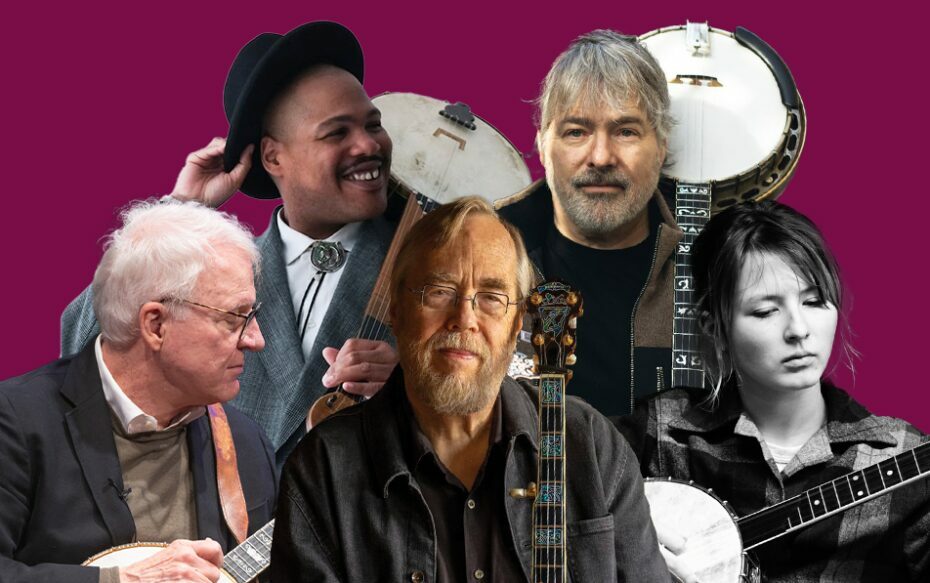
Tony Trischka with Michael Daves, Brittany Haas, and Jared Engel
Nora Brown with Stephanie Coleman
Béla Fleck
Steve Martin
Jerron Paxton with Dennis Lichtman
Upcoming events in this residency
March 19, 2026: Earl Jam featuring Michael Daves (Sold Out)
A deeply personal tribute to the legendary Earl Scruggs. With Trischka and a stellar band, including special guest Michael Daves, Scruggs’s story comes to life in this musically thrilling evening—from his North Carolina roots to his revolutionary impact on American music. Additional musicians include Jared Engel, Jacob Jolliff, and Sam Stage.
March 26, 2026: Great Big World
Stepping beyond the bounds of bluegrass to explore the full breadth of his musical imagination, this genre-blurring evening includes selections from Trischka’s haunting and lyrical Emily Dickinson project alongside new and reimagined compositions, performed both solo and with small ensembles. Guests include Tracy Bonham, The Harlem Gospel Travelers, Martha Redbone, and Sean Trischka.
Tony’s albums Earl Jam 1 and 2, in addition to a variety of other CDs, will be available for purchase at the back of the house, or here:

Tag us on Instagram @symphonyspace to be featured in our Instagram stories!
TONIGHT’S Artists
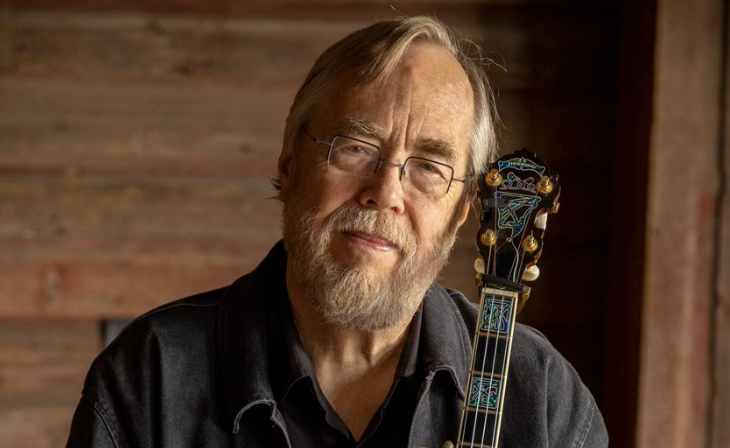
Tony Trischka
Tony Trischka was born in Syracuse, N.Y., in 1949, and raised in a home filled with music. There were Broadway scores and a sweeping range of classical music, from Stravinsky to Beethoven (the first thing Trischka learned to play on the banjo, in fact, was the Ninth Symphony). The wide-open American vistas of Aaron Copland had an especially potent spiritual and visceral impact on him, as did the folk music his left-leaning father held dear. The Almanac Singers, the solo work of its founding members Woody Guthrie and Pete Seeger, and Lead Belly’s children’s LP were in constant rotation. Trischka fell in love with the banjo by way of the Kingston Trio’s 1959 recording of "M.T.A.," and was able to experience the New York-centered folk revival by trekking to the Newport Folk Festival in the early to mid-’60s. He moved to the city in the early ’70s and hit the ground running, settling in among a peer group of extraordinary musicians who saw American roots music as a thriving, living language that could be expanded and combined with other influences and sensibilities. Trischka found his purpose. Jaw-dropping musicianship was certainly encouraged, as was comic and literary irreverence, earnest songwriting and a record shop’s worth of touchstones beyond bluegrass, from the avant-garde to fusion and R&B.
Trischka has played extensively throughout the US and around the world. In addition to his GRAMMY nominations, he’s earned a number of honors over the years, including the International Bluegrass Music Award for Banjo Player of the Year in 2007, and he was named a United States Artists Friends Fellow in 2012. Symphony Space is proud to include him as their 2025/2026 Artist in Residence.
Tony Trischka was born in Syracuse, N.Y., in 1949, and raised in a home filled with music. There were Broadway scores and a sweeping range of classical music, from Stravinsky to Beethoven (the first thing Trischka learned to play on the banjo, in fact, was the Ninth Symphony). The wide-open American vistas of Aaron Copland had an especially potent spiritual and visceral impact on him, as did the folk music his left-leaning father held dear. The Almanac Singers, the solo work of its founding members Woody Guthrie and Pete Seeger, and Lead Belly’s children’s LP were in constant rotation. Trischka fell in love with the banjo by way of the Kingston Trio’s 1959 recording of "M.T.A.," and was able to experience the New York-centered folk revival by trekking to the Newport Folk Festival in the early to mid-’60s. He moved to the city in the early ’70s and hit the ground running, settling in among a peer group of extraordinary musicians who saw American roots music as a thriving, living language that could be expanded and combined with other influences and sensibilities. Trischka found his purpose. Jaw-dropping musicianship was certainly encouraged, as was comic and literary irreverence, earnest songwriting and a record shop’s worth of touchstones beyond bluegrass, from the avant-garde to fusion and R&B.
Trischka has played extensively throughout the US and around the world. In addition to his GRAMMY nominations, he’s earned a number of honors over the years, including the International Bluegrass Music Award for Banjo Player of the Year in 2007, and he was named a United States Artists Friends Fellow in 2012. Symphony Space is proud to include him as their 2025/2026 Artist in Residence.
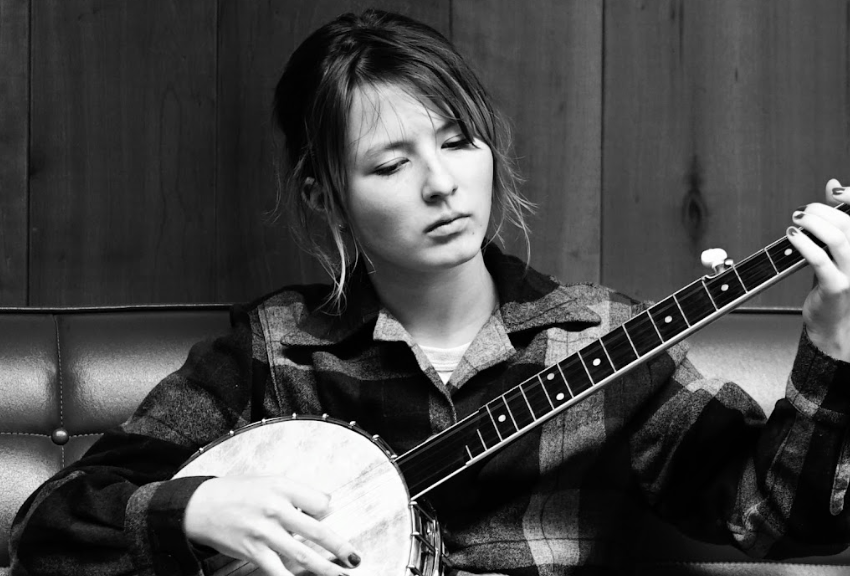
Nora Brown
Nora Brown was introduced to traditional music by chance as a six-year-old. What her parents assumed would be routine ukulele lessons were an inconspicuous window to the world of old-time music. From his tiny studio apartment in Brooklyn, the late Shlomo Pestcoe, a historian and old-time musician taught Nora old time tunes on the ukulele and through his continued instruction other traditional instruments—the fiddle, mandolin, guitar, and banjo. Nora now plays traditional Appalachian music with a focus on banjo playing from Eastern Kentucky and Tennessee. Along with mentors in the northeast like the late John Cohen she also has traveled and learned directly from master musicians including Alice Gerrard, George Gibson, and the late Lee Sexton. She has won numerous banjo and folk song competitions at various fiddlers conventions including the Clifftop Appalachian String Band Music Festival and The Grayson County Old-Time and Bluegrass Fiddlers Convention.
Nora Brown was introduced to traditional music by chance as a six-year-old. What her parents assumed would be routine ukulele lessons were an inconspicuous window to the world of old-time music. From his tiny studio apartment in Brooklyn, the late Shlomo Pestcoe, a historian and old-time musician taught Nora old time tunes on the ukulele and through his continued instruction other traditional instruments—the fiddle, mandolin, guitar, and banjo. Nora now plays traditional Appalachian music with a focus on banjo playing from Eastern Kentucky and Tennessee. Along with mentors in the northeast like the late John Cohen she also has traveled and learned directly from master musicians including Alice Gerrard, George Gibson, and the late Lee Sexton. She has won numerous banjo and folk song competitions at various fiddlers conventions including the Clifftop Appalachian String Band Music Festival and The Grayson County Old-Time and Bluegrass Fiddlers Convention.
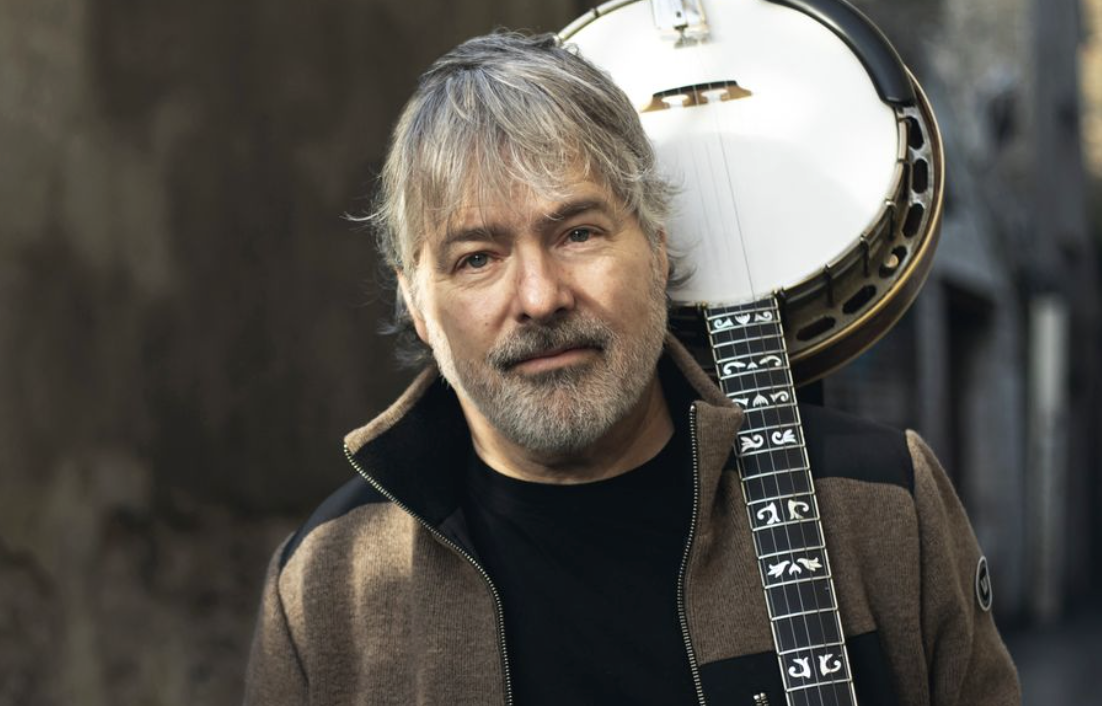
Béla Fleck
Born and raised in New York City, Béla Fleck began his musical career playing the guitar. In the early 1960's, while watching The Beverly Hillbillies, the bluegrass sounds of Flatt & Scruggs flowed out of the TV set and into his young brain. Earl Scruggs's banjo style hooked Béla's interest immediately. "It was like sparks going off in my head" he later said. It wasn't until his grandfather bought him a banjo in September of '73, that it became his full time passion. That week, Béla entered New York City's High School of Music and Art. He began studies on the French horn but was soon demoted to the chorus, due his lack of musical aptitude. Since the banjo wasn't an offered elective at Music & Art, Béla sought lessons through outside sources. Erik Darling, Marc Horowitz, and Tony Trischka stepped up and filled the job. Béla joined his first band, "Wicker's Creek" during this period. Living in NYC, Béla was exposed to a wide variety of musical experiences. One of the most impressive was a concert by "Return to Forever" featuring Chick Corea and Stanley Clarke. This concert encouraged further experimenting with bebop and jazz on the banjo, signs of things to come. Since those early days, he has gone on to play all over the world with his bands and in a variety of combos. He is a recipient of multiple GRAMMY Awards, with a total of 18 wins, and 43 nominations. He has been nominated in more different categories than anyone in GRAMMY history.
Born and raised in New York City, Béla Fleck began his musical career playing the guitar. In the early 1960's, while watching The Beverly Hillbillies, the bluegrass sounds of Flatt & Scruggs flowed out of the TV set and into his young brain. Earl Scruggs's banjo style hooked Béla's interest immediately. "It was like sparks going off in my head" he later said. It wasn't until his grandfather bought him a banjo in September of '73, that it became his full time passion. That week, Béla entered New York City's High School of Music and Art. He began studies on the French horn but was soon demoted to the chorus, due his lack of musical aptitude. Since the banjo wasn't an offered elective at Music & Art, Béla sought lessons through outside sources. Erik Darling, Marc Horowitz, and Tony Trischka stepped up and filled the job. Béla joined his first band, "Wicker's Creek" during this period. Living in NYC, Béla was exposed to a wide variety of musical experiences. One of the most impressive was a concert by "Return to Forever" featuring Chick Corea and Stanley Clarke. This concert encouraged further experimenting with bebop and jazz on the banjo, signs of things to come. Since those early days, he has gone on to play all over the world with his bands and in a variety of combos. He is a recipient of multiple GRAMMY Awards, with a total of 18 wins, and 43 nominations. He has been nominated in more different categories than anyone in GRAMMY history.
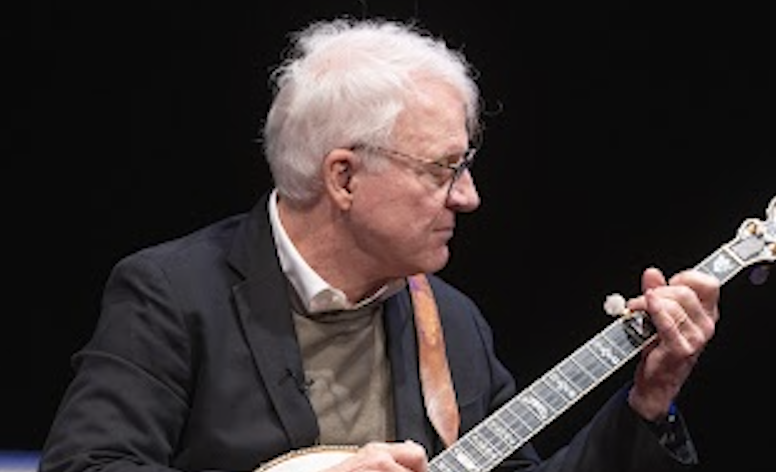
Steve Martin
In addition to his career in film, television, and as an author, Steve Martin is a GRAMMY Award-winning musician who found his love for the banjo at the age of 17. Martin originally used his passion for the banjo as part of his standup comedy routine, until 2010, when he released his first album, The Crow: New Songs for the 5-String Banjo. Since then, Martin has played many prestigious stages including Carnegie Hall, Royal Festival Hall in London, and the Capitol Building in Washington D.C. Martin released his second full length bluegrass album Rare Bird Alert in 2011. The album featured 13 Martin-penned tracks as well as special guest vocal appearances by Paul McCartney and The Dixie Chicks. In 2013, Steve Martin released his third full-length album called Love Has Come For You, a unique collaboration with songwriter Edie Brickell, winning a GRAMMY for Best American Roots Song for the title track, and inspired the Broadway musical Bright Star. In addition to other albums since, Martin won the International Bluegrass Music Association Entertainer of the Year Award, and created the Steve Martin Prize for Excellence in Banjo and Bluegrass for those who exemplify outstanding bluegrass performance.
In addition to his career in film, television, and as an author, Steve Martin is a GRAMMY Award-winning musician who found his love for the banjo at the age of 17. Martin originally used his passion for the banjo as part of his standup comedy routine, until 2010, when he released his first album, The Crow: New Songs for the 5-String Banjo. Since then, Martin has played many prestigious stages including Carnegie Hall, Royal Festival Hall in London, and the Capitol Building in Washington D.C. Martin released his second full length bluegrass album Rare Bird Alert in 2011. The album featured 13 Martin-penned tracks as well as special guest vocal appearances by Paul McCartney and The Dixie Chicks. In 2013, Steve Martin released his third full-length album called Love Has Come For You, a unique collaboration with songwriter Edie Brickell, winning a GRAMMY for Best American Roots Song for the title track, and inspired the Broadway musical Bright Star. In addition to other albums since, Martin won the International Bluegrass Music Association Entertainer of the Year Award, and created the Steve Martin Prize for Excellence in Banjo and Bluegrass for those who exemplify outstanding bluegrass performance.
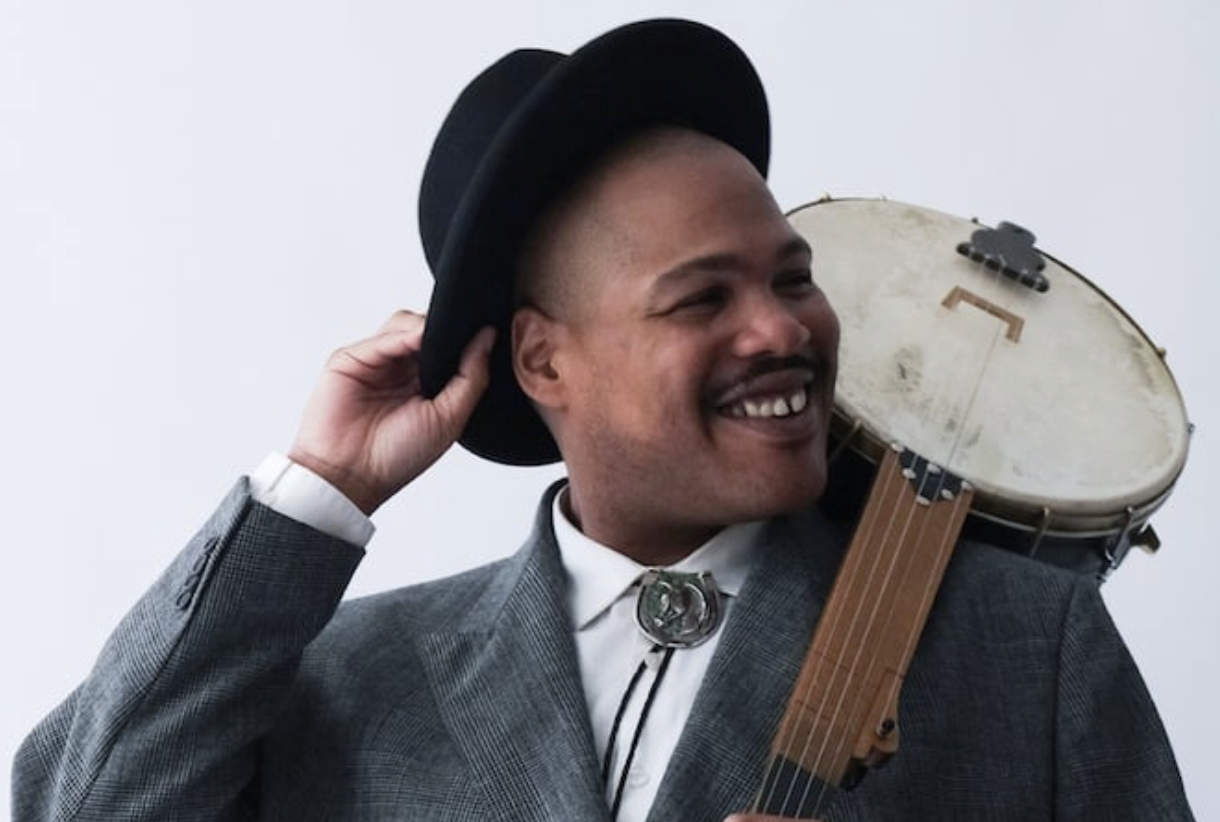
Jerron Paxton
Born and raised in South Central Los Angeles, Jerron Paxton's music is steeped in the rich cultural heritage of the Great Migration. His family’s journey from Shreveport, Louisiana, to the Athens neighborhood of South LA in the 1950s laid the foundation for his appreciation of Southern Black culture. As an only child, he spent much of his upbringing absorbing the culture his family had taken with them to California from the South. Paxton grew up very close with his grandmother, often shadowing her mannerisms and adopting them as his own. While Futurama or King of the Hill were on the family TV, he’d find himself sitting down with her, practicing banjo chords he’d heard on her favorite records. Since relocating from Los Angeles to New York City in 2007, Paxton has found an embracing audience within the city's diverse cultural communities and vibrant music scene. He discovered that New Yorkers are sensitive to the kind of authenticity in storytelling that he was exposed to as a child. He performs regularly at festivals, clubs, and theaters across the United States and the world.
Born and raised in South Central Los Angeles, Jerron Paxton's music is steeped in the rich cultural heritage of the Great Migration. His family’s journey from Shreveport, Louisiana, to the Athens neighborhood of South LA in the 1950s laid the foundation for his appreciation of Southern Black culture. As an only child, he spent much of his upbringing absorbing the culture his family had taken with them to California from the South. Paxton grew up very close with his grandmother, often shadowing her mannerisms and adopting them as his own. While Futurama or King of the Hill were on the family TV, he’d find himself sitting down with her, practicing banjo chords he’d heard on her favorite records. Since relocating from Los Angeles to New York City in 2007, Paxton has found an embracing audience within the city's diverse cultural communities and vibrant music scene. He discovered that New Yorkers are sensitive to the kind of authenticity in storytelling that he was exposed to as a child. He performs regularly at festivals, clubs, and theaters across the United States and the world.
MORE INFORMATION
This program is made possible thanks to the generous support of the Seedlings Foundation, Howard Gilman Foundation, The Shubert Foundation, Blanchette Hooker Rockefeller Fund, Charina Endowment Fund, Charles D. Fleischman Charitable Trust, Susan Bay Nimoy, The Isambard Kingdom Brunel Society of North America, Michael Tuch Foundation, PECO Foundation, Coastal Community Foundation of South Carolina, Google.org, Joseph and Joan Cullman Foundation, Jody and John Arnhold and the Arnhold Foundation, The Grodzins Fund, and the Seedtime Foundation.
This program is also made possible with public funds from the New York State Council on the Arts with the support of Governor Kathy Hochul and the New York State Legislature, and the New York City Department of Cultural Affairs in partnership with the City Council.
Music programming also receives support from an endowment established by The Bydale Foundation, Mary Flagler Cary Charitable Trust, The Gladys Krieble Delmas Foundation, Christopher and Barbara Dixon, the Herman Goldman Foundation, William and Angela Haines, Walter and Marge Scheuer, and Zabar’s.
Symphony Space thanks our generous supporters, including our Board of Directors, Producers Circle, and members, who make our programs possible with their annual support.
Kathy Landau Executive Director
Peg Wreen Managing Director
Isaiah Sheffer*
Co-Founder and Co-Artistic Director (1978-1990)
Artistic Director (1990-2010)
Founding Artistic Director (2010-2012)
Allan Miller
Co-Founder and Co-Artistic Director (1978-1990)
Darren Critz Director of Performing Arts Programs
*in memoriam