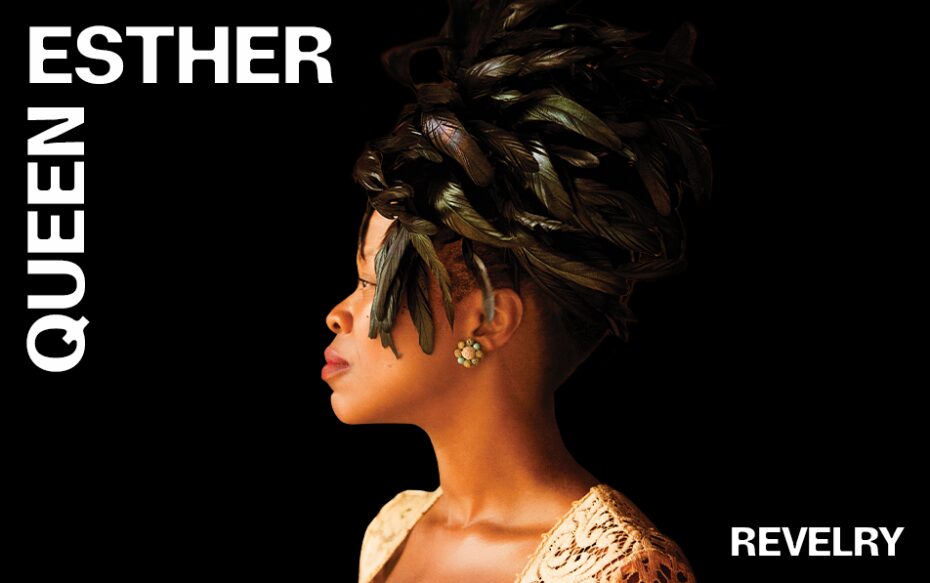
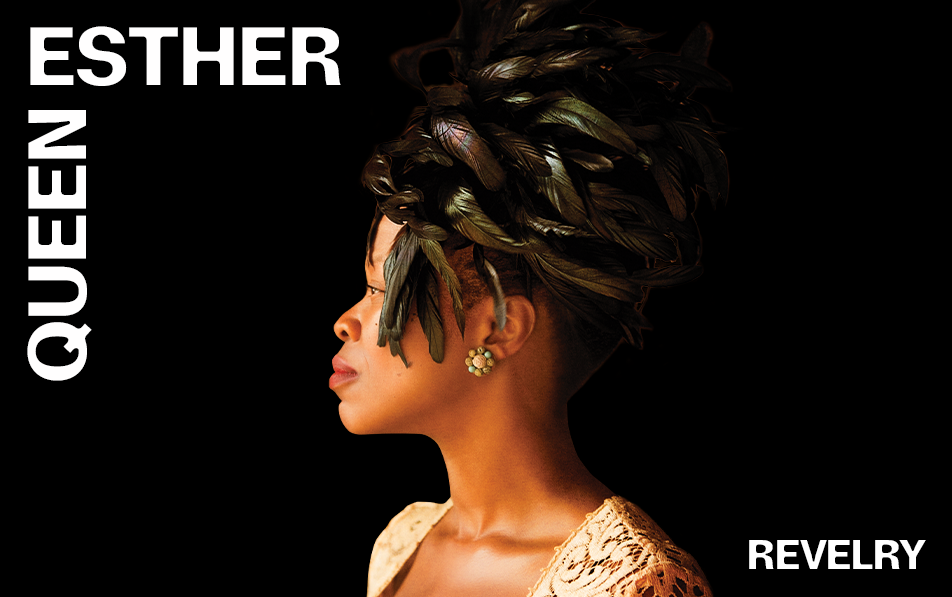
Queen Esther returns to Symphony Space, bringing her singular voice and fearless storytelling to an evening of stunning music that moves effortlessly between jazz, blues, country, soul, folk, and rock.
The world premiere of her new song cycle, Songs for Unrequited Lovers, explores the wonderfully complicated business of being human, with all its unexpected turns, contradictions, and surprises. Backed by an exceptional ensemble, Queen Esther makes familiar musical traditions feel entirely new.
Featuring pianist Sharp Radway, drummer Steve Williams, double bassist Brandi Disterheft and tenor saxophonist Jon Beshay.
Unrequited Lovers explores love outside of the usual romantic script. Inspired by Chuck Palahniuk’s line, “The one you love and the one who loves you are never, ever the same person,” this project considers the ache of emotional asymmetry: the love that arrives too late, the love that lands on the wrong person, the love that remains unfinished, or survives only as memory, longing, fantasy, grief and grace.
These are not “boy meets girl, boy loses girl, boy gets girl” love songs. They’re about the past that never happened, the beloved who could not stay, the person who could not receive what was being offered, and the strange mercy of carrying love even after the relationship itself has vanished. The idea was that love so often misses its mark. You want someone who cannot receive what you’re offering. Someone wants you when you cannot give yourself to them. You meet the right person at the wrong moment. You realize what someone meant after they’re gone. Or the relationship disappears, but the love doesn’t.
This gives a much richer landscape than simply “songs about heartbreak.” The subject becomes the asymmetry of love itself: the terrible, beautiful fact that love is not a transaction and therefore has no obligation to balance. Songs for Unrequited Lovers isn’t really a song cycle about rejection. It’s about the ways love becomes uneven, mistimed, misdirected, unanswered, transformed, or impossible — and what that imbalance does to us.
Read Less